
lilmisschloe
Members
-
Joined
-
Last visited
Everything posted by lilmisschloe
-
Yes, do what you said you have to re-create the whole file structure/path. So it should look like this.... mods\update\x64\DLC packs\Patchday4ng\dlc\x64\levels\gta 5\Vehicles.rpf
-
Use Albo1125's Transport Van mod, it includes a van pickup for your prisoner and a ton more jail points, heck you can even teleport to a jail if you want. http://www.lcpdfr.com/files/file/8107-13rhook-022-more-jail-points-and-prisoner-transporter/ I agree with this, the other units NEED/MUST show you respect and realise you are actually in the pursuit, and like Killer007 said, try to calm them down instead of having them drive full speed into the rear end of a vehicle, because for one it causes the unit to crash rather than the suspect and two, its not very geniune tactics, its not even a correct pit maneuver. There are mods that already provide most of the features you listed. I doubt LSPDFR will want to implement them.
-
You should seriously think about changing the processor for an Intel i7 clocked at around 3.5Ghz and an Nvidia card with 3-4GB RAM (The 980)? Remember on Nvidia you get PhysX in certain games :)
-
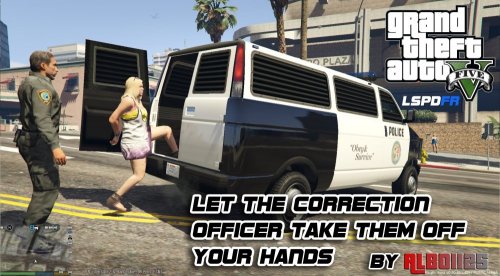 I am super impressed with this mod and the author Albo1125, he has done a great job with only about 2 weeks experience in modding. I love how it detects if you have two prisoners and shows your the relevant button to call a van, there are some nice tweaks too such as picking your prisoner up from your vehicle, and how they reliably show up to your location, me personally have never had an issue with this mod. Its nice to see it includes names of the prisoners in the notifications too, nice little touch. In the most recent update you now have the ability to change the van and have the guard walking and not sprinting which I know was a requested feature ;-) (Albo knows about the amazing person that requested this hehehehe) Overall a very well designed, well put together and reliable mod - its even better than I ever thought it would be! 5/5 easily. THIS MOD SHOULD WIN AWARDS!! xD >.<
- 1,915 comments
- 242 reviews
-
-

- 4
-
-
To clarify - RageHook is now version 22, which solves the whole d3dcompiler_47 dependency issue by including everything you need.
-
Mine are perfectly fine.
-
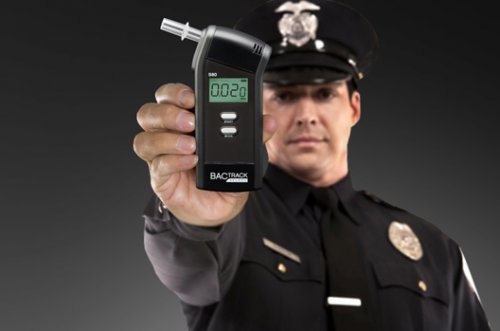 In the next update can you change the format of the measurement to the USA format? So instead of 0.80 it would be 0.08
- 182 comments
- 25 reviews
-
Windows 10 uses less memory to run things in general so this can be expected, and just think when DirectX 12 game get made, we can get another 40fps from our graphics cards without upgrading hardware.
-
Read the title and continue the sentence, here I'll start! You know when you play LSPDFR too much when......you strongly believe you are an actual Police Officer working in Los Santos, and you have convinced yourself its a real place lmao
-
Yes no problems at all, installed it, selected the options using the new GUI it comes up with then got in game, yeah some mods broke as they always do, but they have been updated now and are working again. I'm on Windows 10 Pro 64 bit.
-
https://www.youtube.com/user/wwwy2000/videos This channel has amazing footage of real life pursuits mainly around Los Angeles, I find them fascinating to watch and learn tactics from etc. Just thought I'd share them with you fellow officers. Enjoy! Chloe
-
-
Use the regular handling file that comes with the game (not modded in any way) Try putting it back in which will make them drive like Rockstar intended. See if this solves your issue, at least then you can know whats causing it and go from there. :) Good luck.
-
I think its realistic in that they cant just take up units they come across, units need to continue an even distribution across the county to assist with other crimes...remember its not just that one pursuit in the whole of Los Santos lmao
-
Thing is - you can overcome those issues in a matter of minutes, and you will have to update Rage within a week or so when mods wont work/support older versions, you have to stick with the times ;-)
-
 Does this mod only affect vehicles when your actually on patrol? Cause I have used it off duty and the cars still freak out.
- 268 comments
- 44 reviews
-
-
-
Just letting you guys know there is a new version of Rage out. So devs can update their mods & modders can get the updated versions.
-
-
-
-
So I just tested this with the detective name on Police4, and it just put randomly dressed normal peds in the cars and they didnt come after me (not part of the wanted system) hmmm, so its not as easy as changing the ped name after all. ;(
-
For a lot of people having that file I linked worked for them, so I dont know, sorry.
-
Yes in fact IMO it runs better!